Lanyard Engineering4 min read•February 10, 2026

Why Ultrasonic Sealing is Revolutionizing Corporate & Institutional Lanyards

Thread-stitched lanyard joints break and fray within months. Discover how high-frequency acoustic molecular welding delivers 15+ kg tensile strength without unsightly staples or threads.

KB
Kabir Bora
Production Lead, IDGen Cleanroom
Back to All Blogs
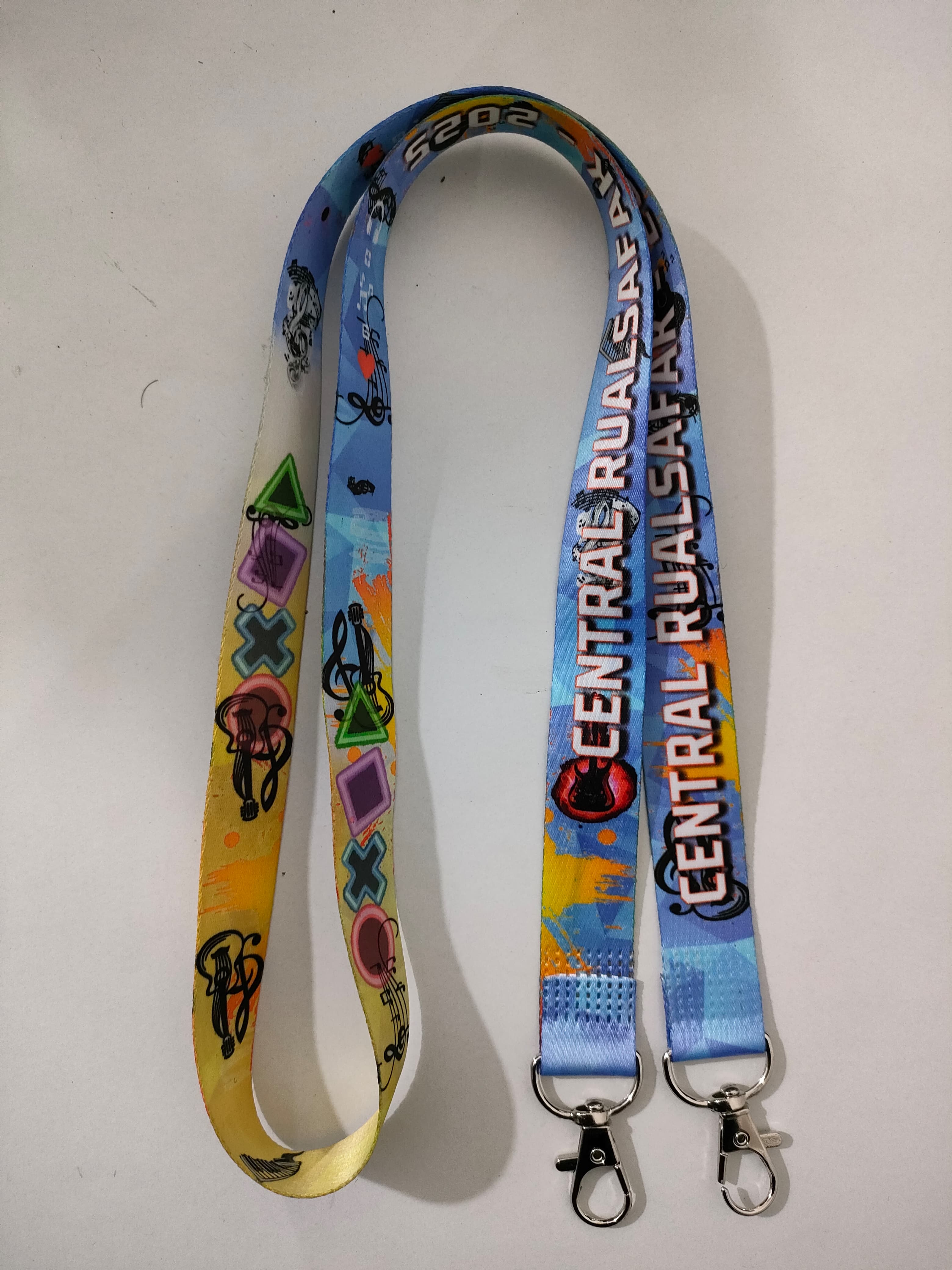
Ultrasonic welded custom printed satin lanyards
For decades, custom printed lanyards relied on cheap wire staples or machine lock-stitching to attach metal swivel hooks. Anyone who has managed high-school students or factory workers knows the inevitable outcome: within months, thread breaks, hooks slip off, and loose staples scratch delicate garments.
Executive Summary & Takeaways
  • ✓Stitched joints rely on thread tension which snaps under sudden tugs or washing machine exposure.
  • ✓Ultrasonic acoustic welders vibrate polyester polymer chains at 20,000 Hz to create a permanent monolithic weld.
  • ✓Ultrasonic welds eliminate jagged staples and bulky thread bumps that cause nape friction and rashes.
  • ✓Available across all standard 20 mm, 16 mm, and 12 mm IDGen custom printed satin lanyards.

1. The Anatomy of Stitching & Staple Failure

A stitched seam is only as strong as its weakest needle hole. Every needle penetration punctures the finely woven satin fabric, creating miniature tear points.

Under repeated tension — such as swiping cards at RFID turnstiles — the threads stretch and eventually shear, dropping credentials onto hard floors.

2. The Science of Ultrasonic Acoustic Fusion

Ultrasonic welding replaces mechanical threads with high-frequency acoustic energy. Our pneumatic horns channel 20 kHz acoustic vibrations into the overlapping satin polyester ribbon.

Friction between the molecular polyester chains converts acoustic energy into localized thermal melt in less than 0.4 seconds, fusing the fabric layers into a unified, monolithic matrix.

Factory Fact

Ultrasonic joints require zero adhesives, glues, or foreign threads. The welded zone is 100% recyclable virgin polyester.

3. Ergonomics & Zero Neck Irritation

Conventional metal crimps and heavy stitched folds create bulky pressure points that rub uncomfortably against the back of the neck during 8-hour shifts.

In contrast, ultrasonic sealed joints produce an ultra-flat, flexible profile with smooth rounded edges that rest flush against skin or collared shirts without chafing.

4. Tensile Testing: 15+ kg Pull Force

In calibrated cleanroom pull tests, our ultrasonically welded lanyard assemblies withstand up to 15 kg of direct tensile load — exceeding international standards for student and corporate lanyard attachments.

Combined with anti-rust chrome swivel fish hooks, IDGen custom lanyards remain pristine through full multi-year academic cycles.

Related Topic Tags
#Ultrasonic Sealing#Satin Lanyards#Durability#Zero-Thread#Tensile Strength
KB
Published By Credential Specialist
Kabir Bora
Production Lead, IDGen Cleanroom

Oversees cleanroom variable-data production, ultrasonic lanyard fabrication, and automated RFID access testing for schools, universities, and enterprise workforces across Northeast India.

Continue Reading

Related Technical Insights

Have an upcoming campus or corporate identity requirement?

From student ID cards and ultrasonic lanyards to 13.56 MHz RFID turnstiles, get direct factory quotes and custom digital proofs tailored to your roster.

WhatsAppCall Now